Enterprise Data Management

Data Management

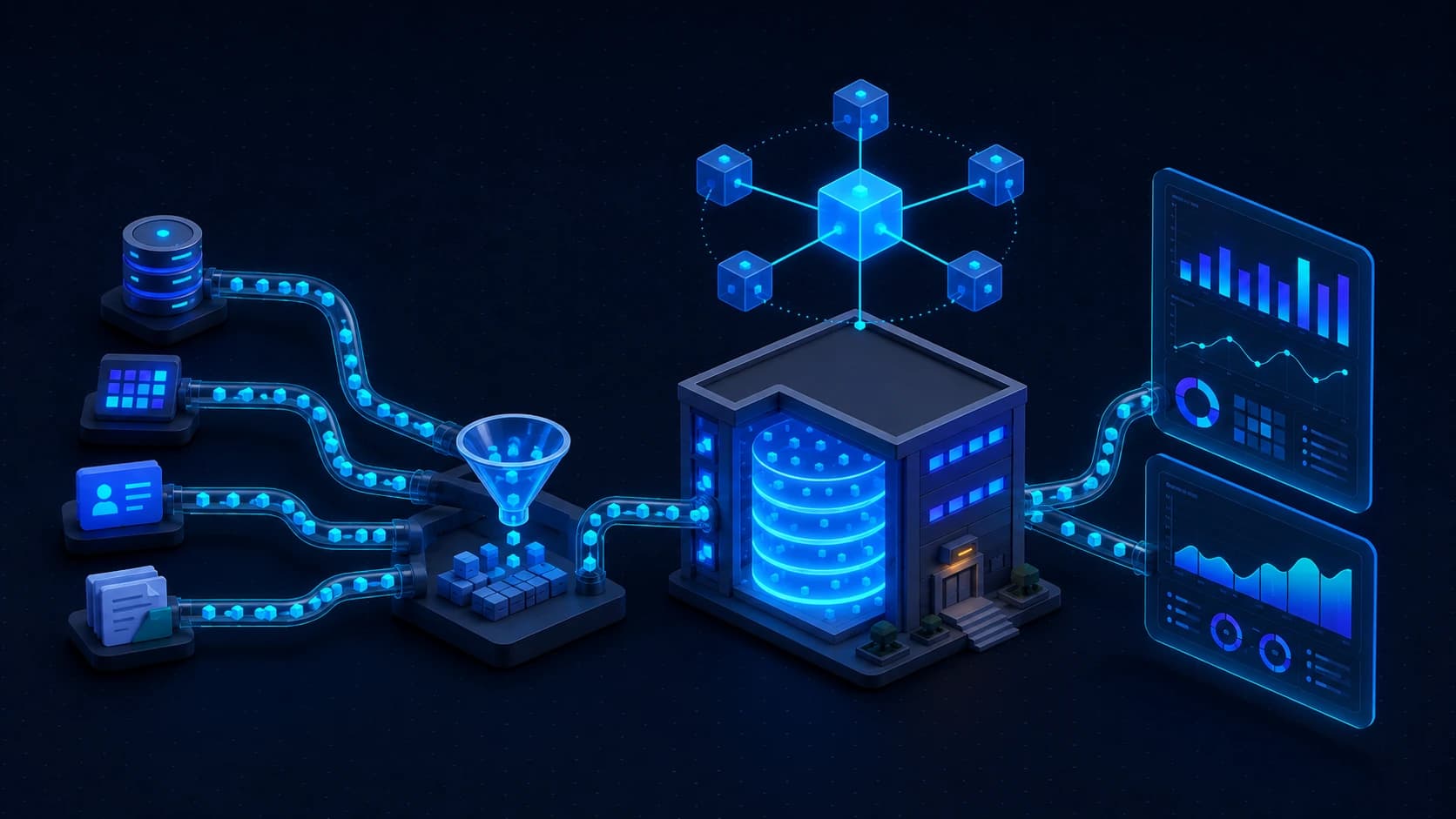
We help develop processes to ensure effective data management throughout the enterprise. Our main strategy considers the users, processes, and information technology required to create a consistent and proper handling of data. We provide all types of data management practices with the necessary foundation, strategy, and structure.

Services & Features

Capabilities across the enterprise data lifecycle.

Benefits

Why a modern data foundation pays off.

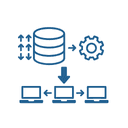
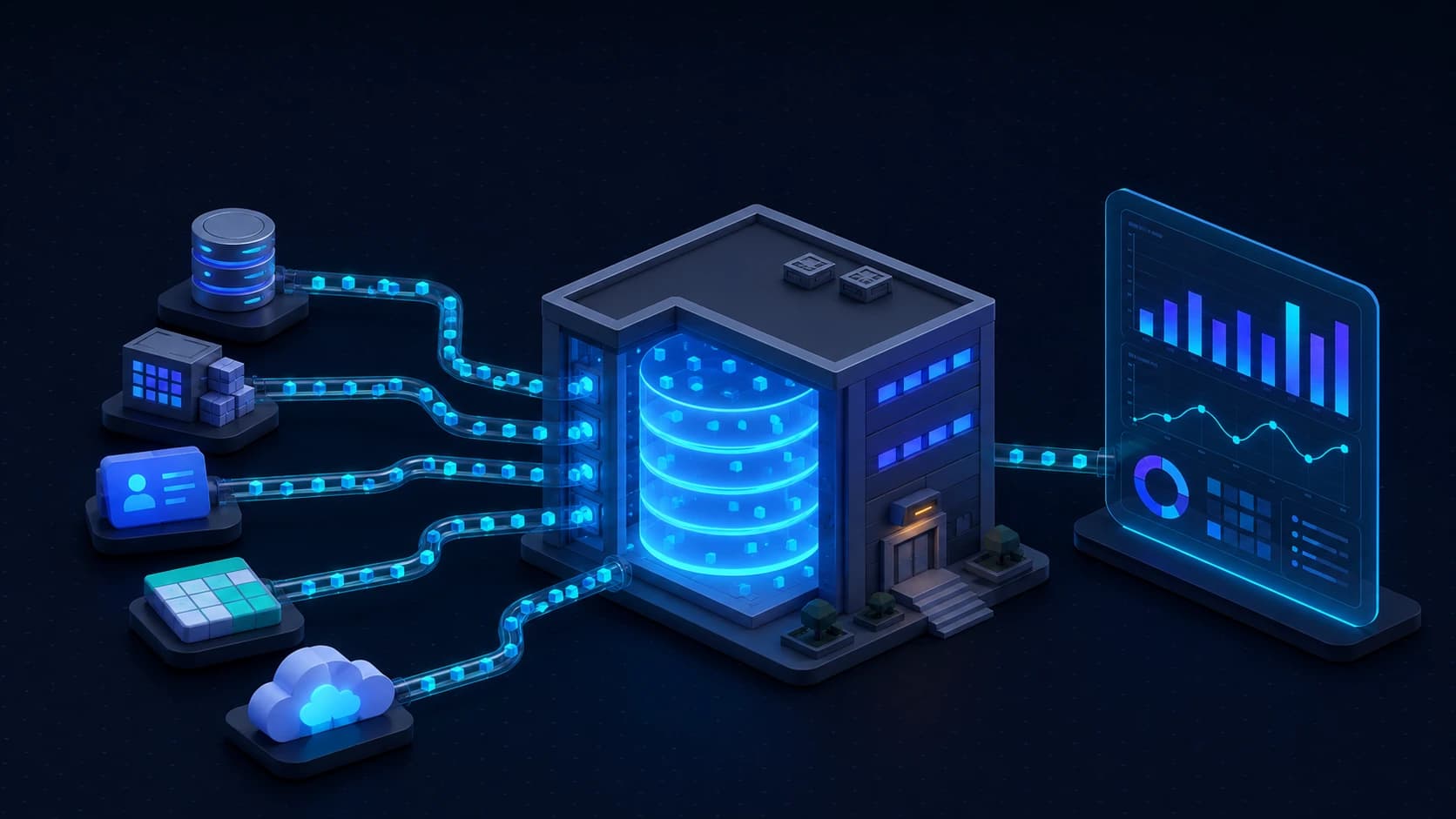
A well-designed data warehouse and integration layer does more than store data. It pulls information out of every source system, cleans and reshapes it, and holds it in one trusted place built for analysis. Because reporting runs against this dedicated layer instead of your live applications, queries stay fast and your day-to-day systems stay unaffected. The result is reporting that's cheaper to maintain, consistent for everyone who relies on it, and trustworthy enough to drive real decisions.

Book a Call
  • Integrate every source system into one common data model and a single, centralized view
  • Improve data quality with consistent codes, clear descriptions, and fixes for bad data
  • Preserve full data history for trends, comparisons, and auditing
  • Restructure data so it’s easy for business users to understand and fast to query
  • Enhance business intelligence and speed up confident, data-driven decisions
  • Lower reporting, consolidation, and integration costs for a strong return on investment
  • Add value back to your operational business applications
Get Started

Ready to build a data foundation you can trust?

Book a free consultation and we'll help you turn scattered source data into fast, consistent, decision-ready reporting.

Data Management Resources

Insights from our data practice.

Data Warehouse Architecture & Data Modeling
Data Warehousing
February 18, 2026•5 min read

Data Warehouse Architecture & Data Modeling

How a data warehouse is actually built, from the pipeline that runs source systems through ETL/ELT into a columnar, massively parallel store, to the two modeling philosophies, Inmon and Kimball, that shape what's inside. Part 2 of a 3-part series.

CloudADDIE
CloudADDIE
Read More
What Is a Data Warehouse?
Data Warehousing
February 17, 2026•8 min read

What Is a Data Warehouse?

What a data warehouse is, the four traits that define it, how it differs from a transactional database, and how enterprise warehouses, data marts, and operational data stores actually relate. Part 1 of a 3-part series.

CloudADDIE
CloudADDIE
Read More
Excel vs. Data Warehousing: Where Spreadsheets Hit Their Limits
Data WarehousingFinance Transformation
February 9, 2026•4 min read

Excel vs. Data Warehousing: Where Spreadsheets Hit Their Limits

Excel is a great tool for calculation, but it was never built to be an organization's core data solution. Here's where spreadsheets break down as a business grows, and what a modern data warehouse offers instead.

CloudADDIE
CloudADDIE
Read More
Frequently Asked Questions

Data management questions we get asked most

CloudADDIE's data management services cover:

  • Enterprise data warehouse design
  • Operational data stores
  • Data marts for specific areas such as sales and finance
  • Data migration, including on-premises to cloud
  • Data cleansing and data quality assurance
  • ETL (extract, transform, load) and data integration

An enterprise data warehouse is the central store that supports decision-making across the whole business. An operational data store is refreshed in real time and suits routine, record-level reporting that the warehouse does not cover. A data mart is a subset of the warehouse built for one area, such as sales or finance. CloudADDIE designs all three.

Reporting from a data warehouse keeps queries fast and leaves your live business applications unaffected. The warehouse pulls data from every source system, cleans and reshapes it, keeps full history for trends and audits, and gives everyone one consistent set of numbers.

Yes. CloudADDIE prepares, extracts, and transforms data for the move from on-premises to the cloud, and validates it to protect data integrity. We also move databases from one vendor to another and upgrade existing database software.

CloudADDIE uses data quality assurance to identify, manage, and resolve inconsistencies and anomalies, from large-scale systematic errors to individual record flaws. That includes specialized tasks such as outlier removal and missing-data interpolation.

Yes. CloudADDIE builds ERP actuals integrations and data loads from NetSuite, Oracle ERP, SAP, and Workday using Data Management, Data Exchange, FDMEE, EPM Automate, OIC, and APIs, with metadata, mapping, and validation controls. See the ERP actuals and planning integration case study.

Yes. Broken data loads, mappings, and integrations are a common reason clients call CloudADDIE. We find the root cause first, stabilize production, then agree a realistic plan to fix it properly. Book a call to talk it through.