
Why It's Time to Automate Oracle EPM Cloud
Part 1 of our Oracle EPM Cloud REST API series: why clicking through the web interface does not scale, and how the REST APIs let you automate rules, data loads, and integrations.
Stay updated with the latest insights, trends, and best practices in cloud computing, data management, and enterprise solutions from our team of experts.

Part 2 of our Oracle EPM Cloud REST API series: REST explained in plain terms, the request-process-response pattern, JSON, and why statelessness makes automation simple.
CloudADDIE
March 2, 2026

Part 1 of our Oracle EPM Cloud REST API series: why clicking through the web interface does not scale, and how the REST APIs let you automate rules, data loads, and integrations.


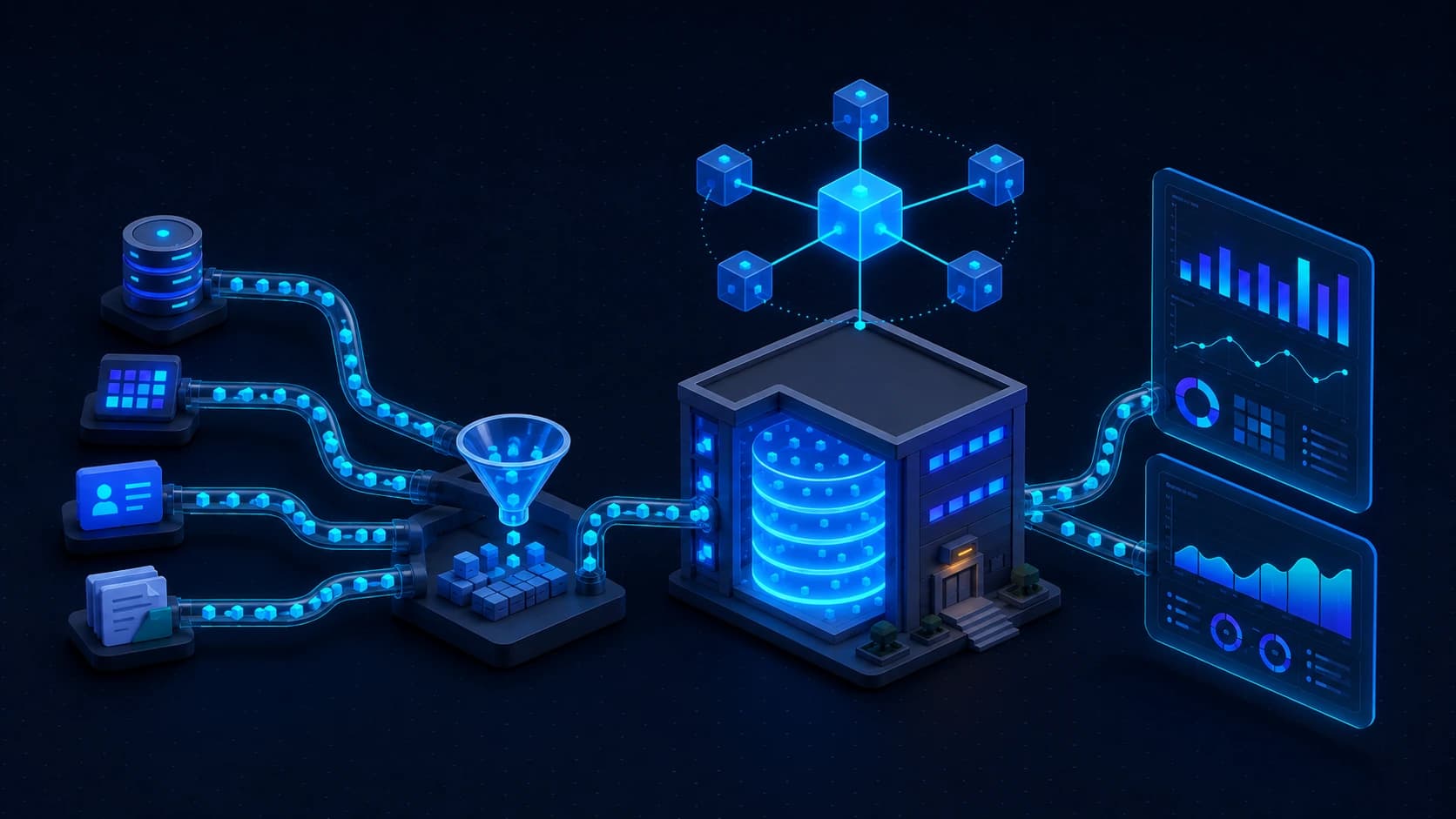
How the cloud rewired the data warehouse, separating storage from compute, tipping ETL to ELT, and blurring the line between warehouse, lake, and lakehouse, plus the governance, security, cost, and build steps that make it work. Part 3 of a 3-part series.

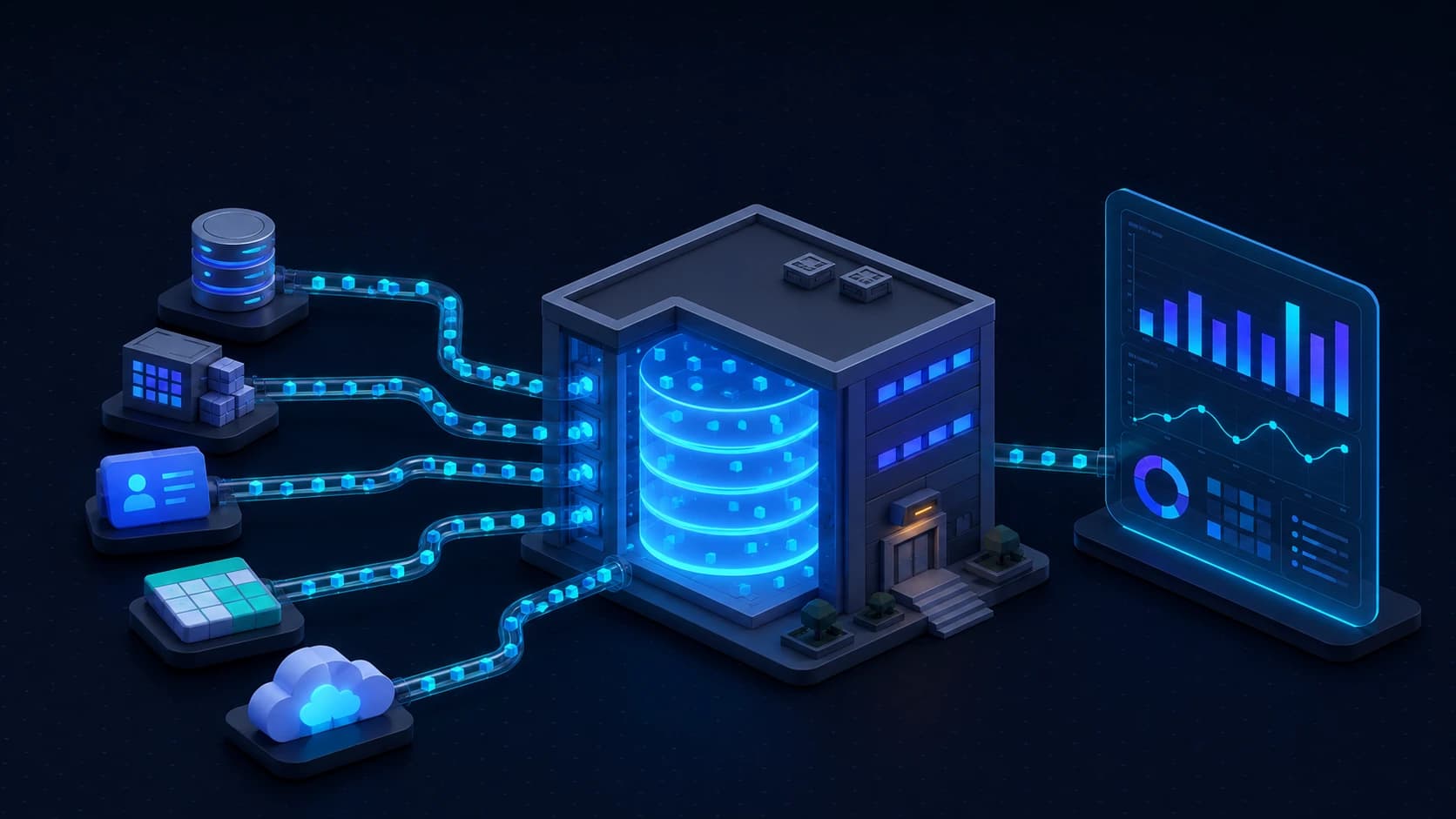
How a data warehouse is actually built, from the pipeline that runs source systems through ETL/ELT into a columnar, massively parallel store, to the two modeling philosophies, Inmon and Kimball, that shape what's inside. Part 2 of a 3-part series.

What a data warehouse is, the four traits that define it, how it differs from a transactional database, and how enterprise warehouses, data marts, and operational data stores actually relate. Part 1 of a 3-part series.

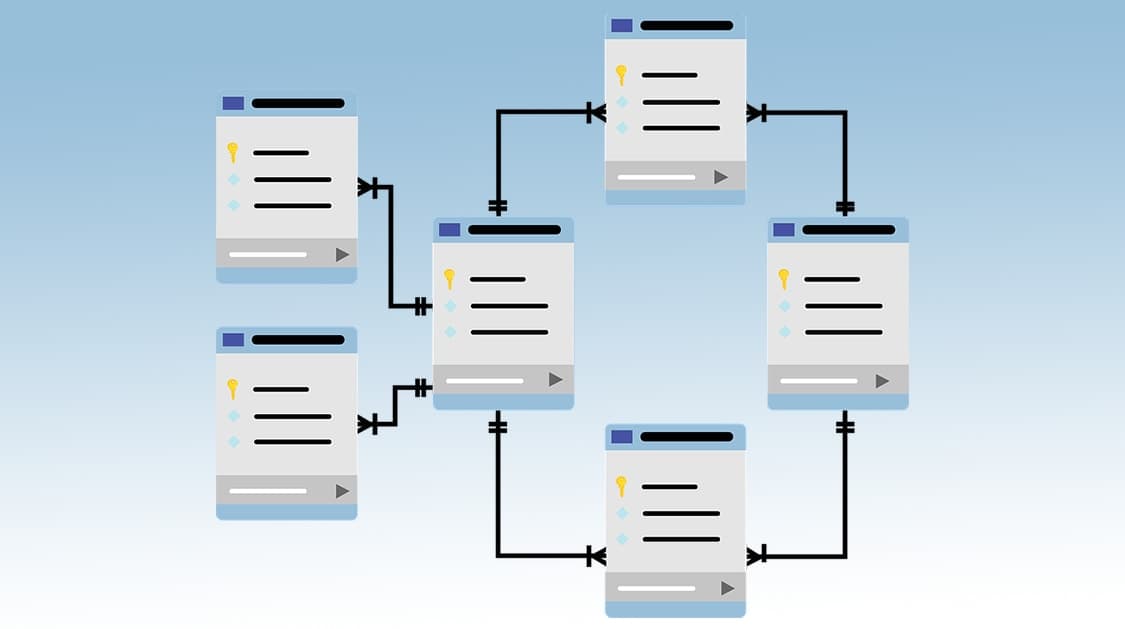
What fact tables and dimension tables actually are, how a star schema ties them together with surrogate keys and grain, and why the same thinking shows up inside every EPM application.

Excel is a great tool for calculation, but it was never built to be an organization's core data solution. Here's where spreadsheets break down as a business grows, and what a modern data warehouse offers instead.